Founded in Oakland in 1966, the Black Panther Party developed against a backdrop of police violence and economic inequality in Black neighborhoods across the United States. But its activities were never limited to denunciations or protests.
Over the years, the movement organized community programs, distributed food, provided family assistance, monitored instances of police misconduct, and took concrete steps to address local issues. Chief among its most enduring initiatives was the Free Breakfast for School Children Program.
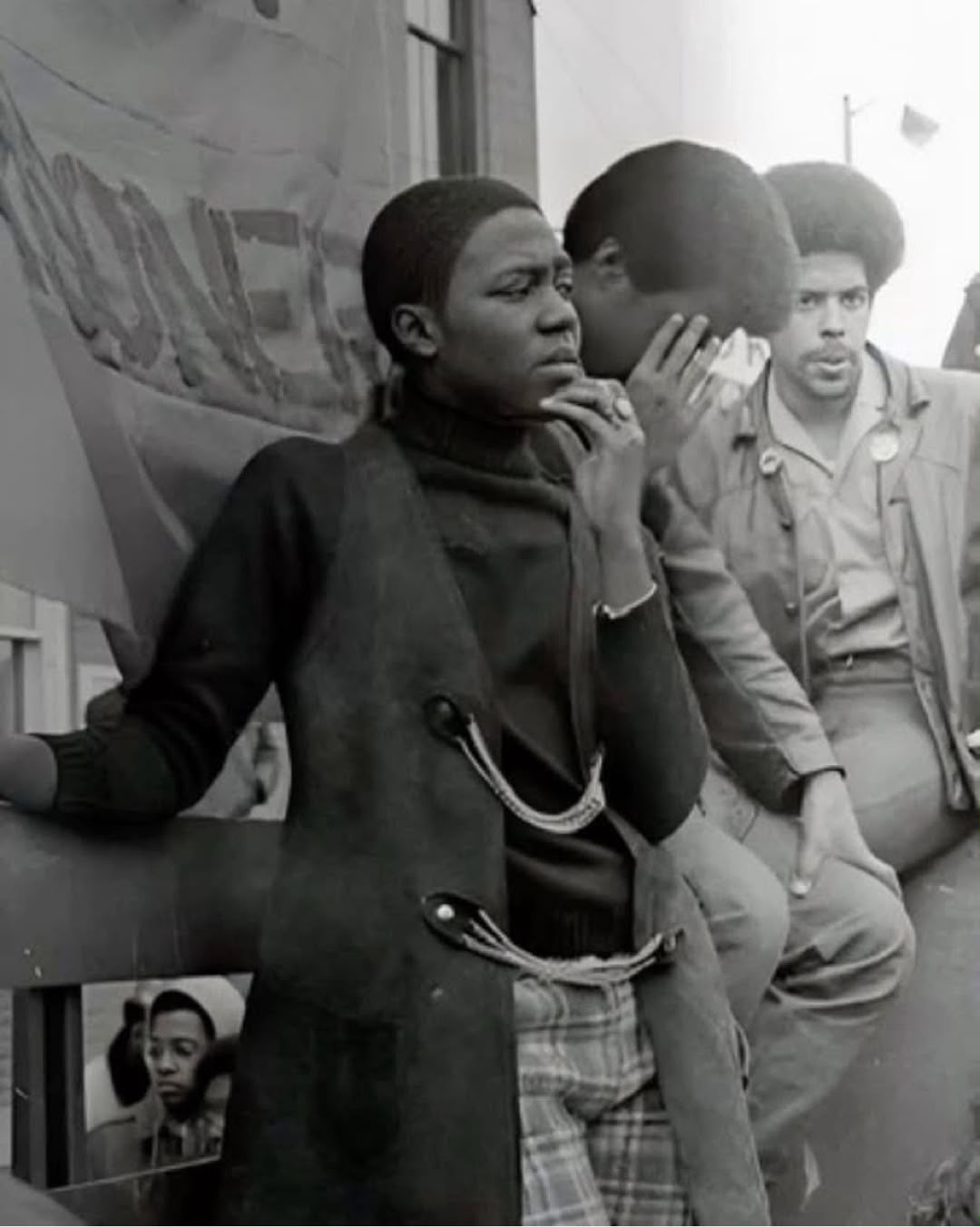
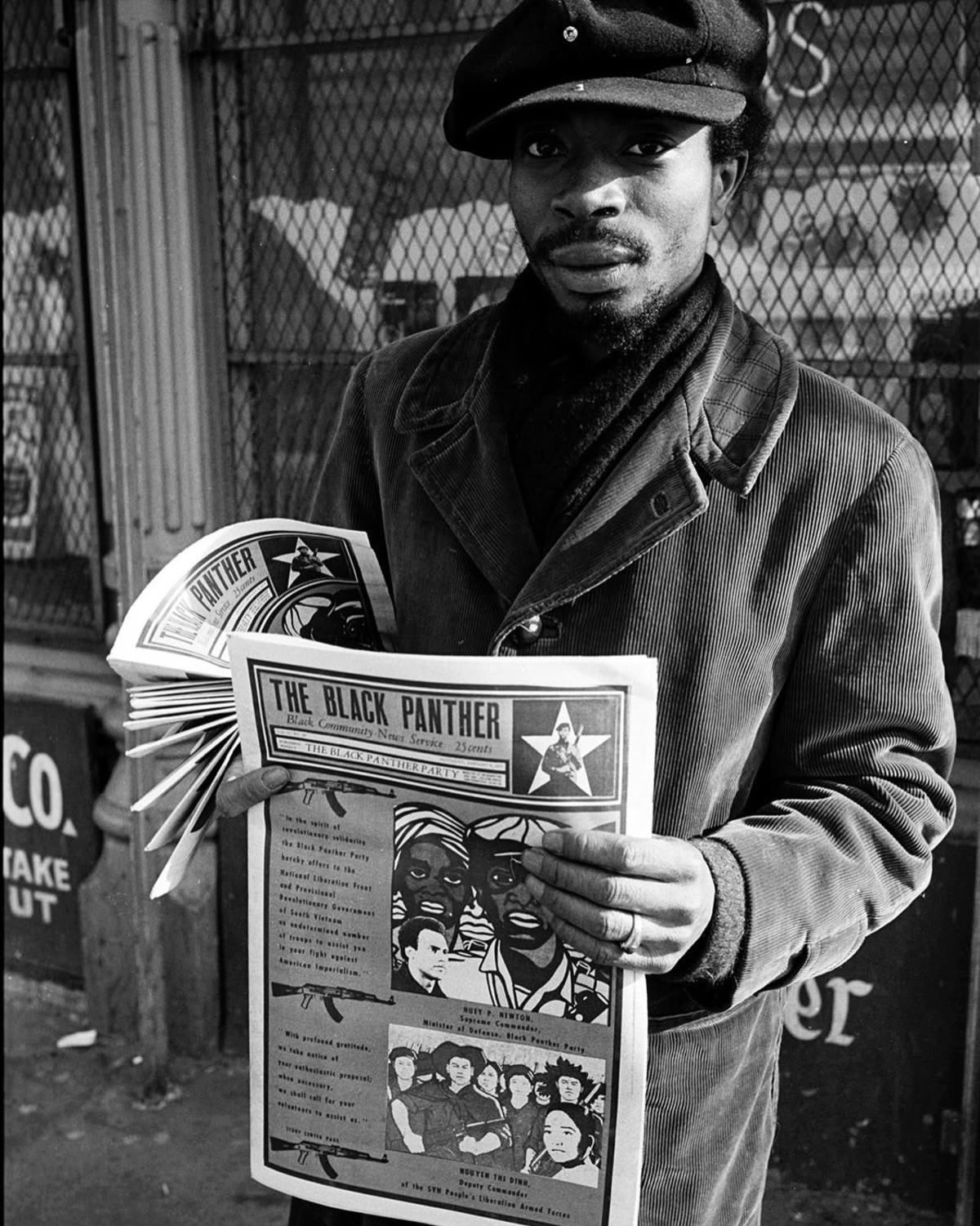
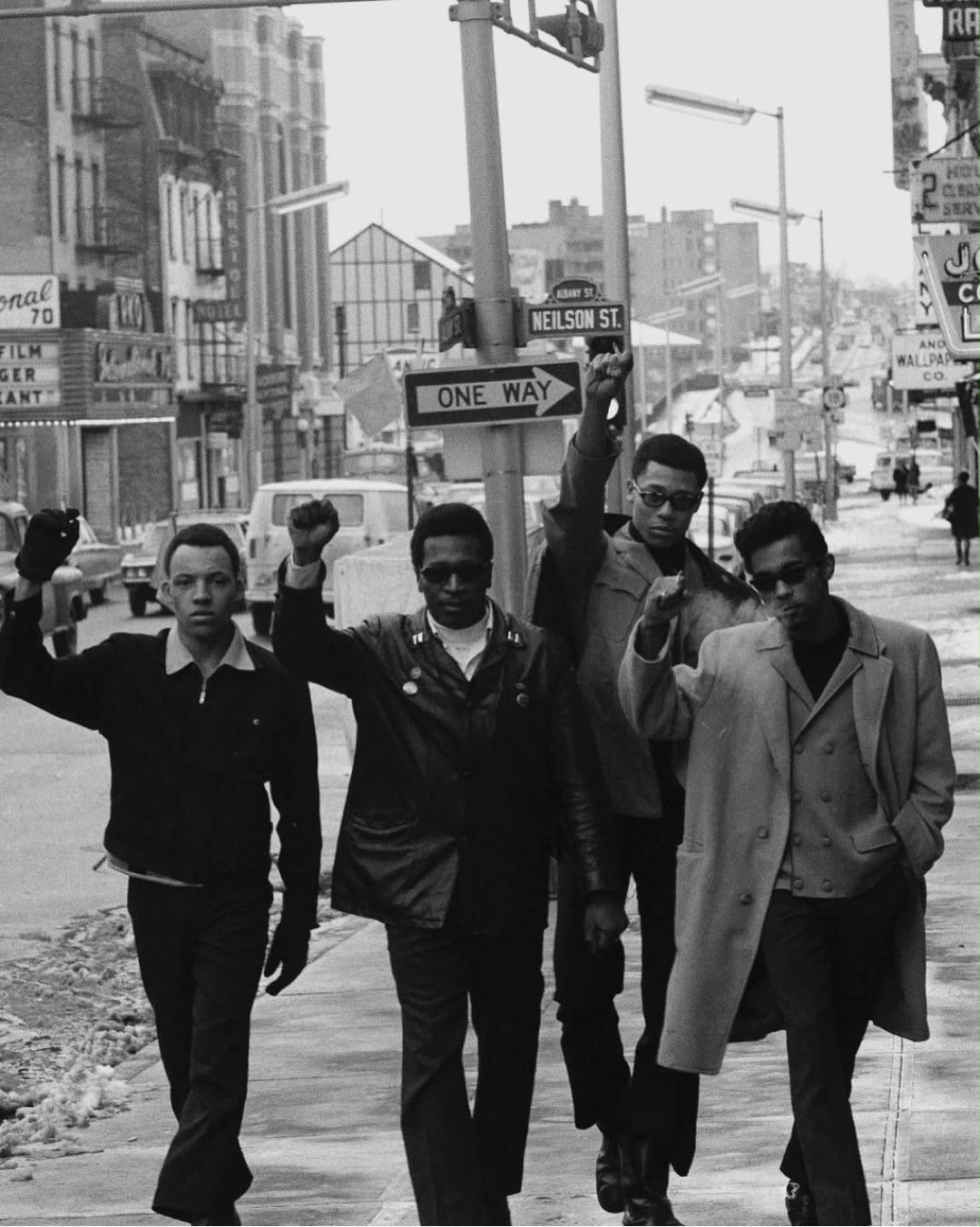
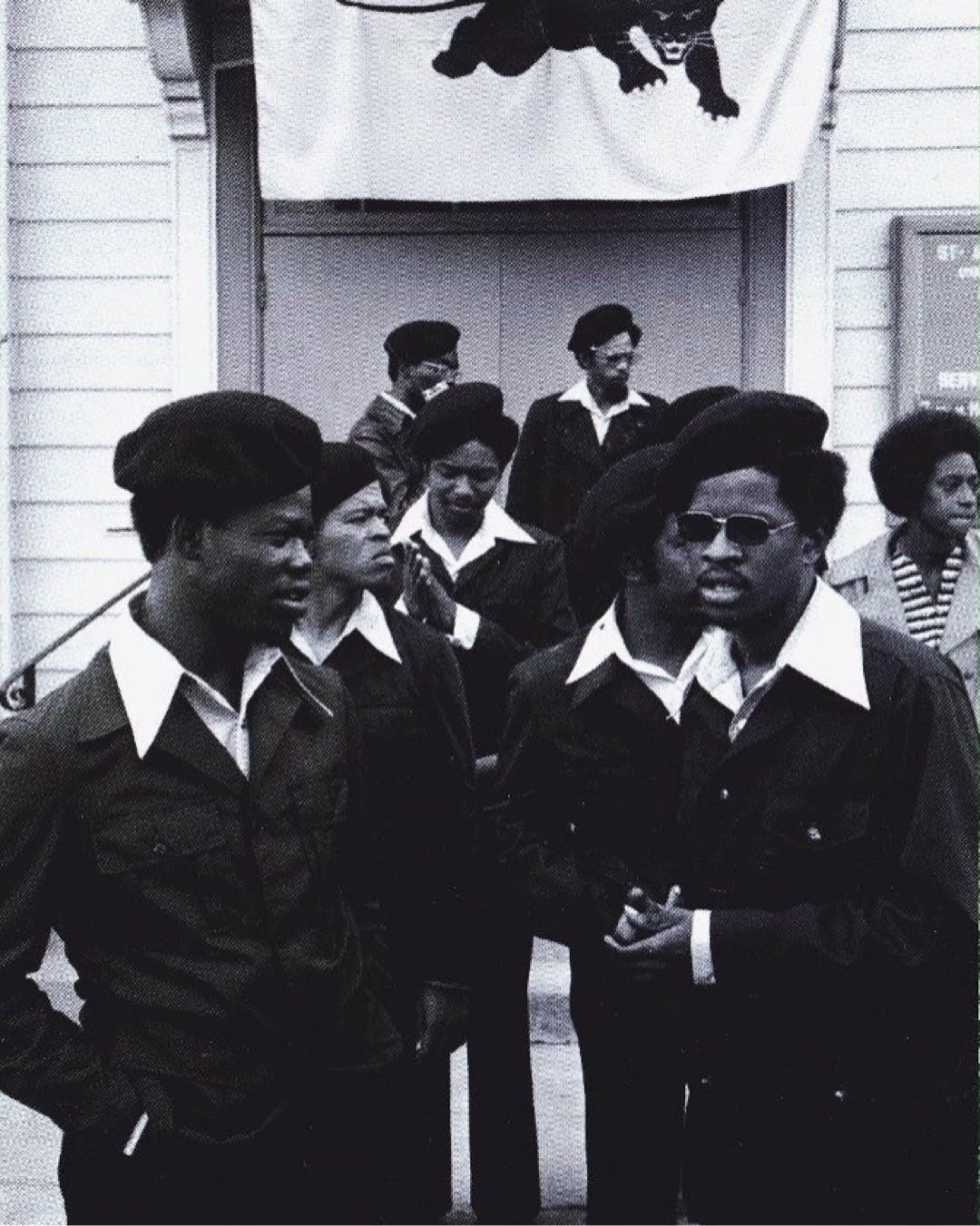
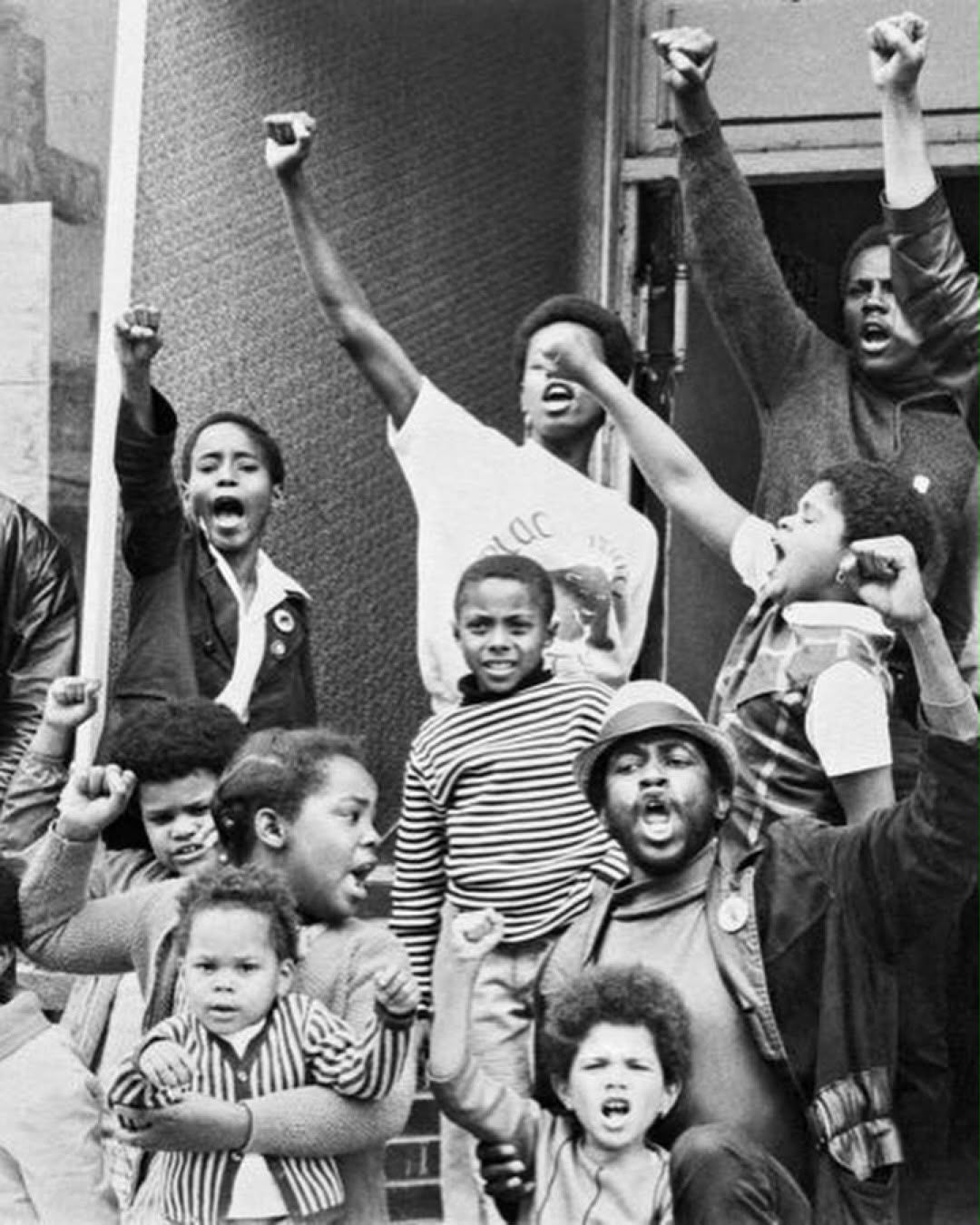
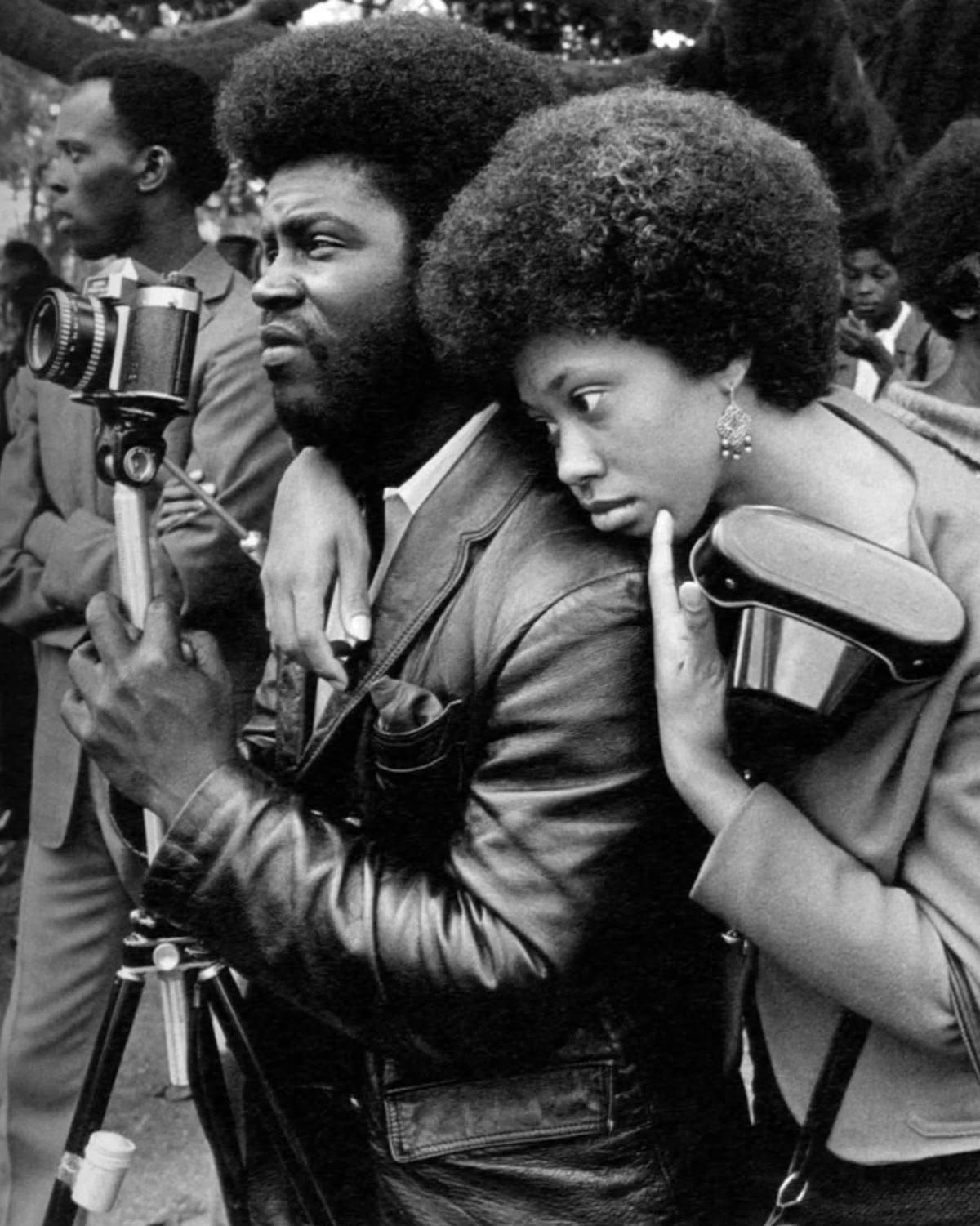
It is an aspect of Black Panther history that risks being overshadowed by its most iconic imagery: black berets, leather jackets, clenched fists, and photographs of armed self-defense patrols. Over time, this iconography has become an instantly recognizable visual repertoire—often detached from the socio-political context from which it emerged.
From Rallies to Community Programs
The Free Breakfast for School Children Program began in 1969 in Oakland. Party volunteers prepared and served hot meals before school: eggs, cereal, fruit, milk, and other staples. The program expanded rapidly to cities across the nation, becoming one of the most prominent examples of the movement's social work.
The underlying rationale was simple: address immediate, concrete community needs. Childhood hunger, inadequate municipal services, police brutality, and lack of resources were not viewed as separate from politics, but rather as core issues around which direct action had to be organized.
The breakfast program was hardly peripheral to the Black Panthers' political struggle. It was a primary mechanism for building consensus and solidarity within neighborhoods, pairing public demonstration with essential local services.
Why Their History Resurfaces Today
The contemporary rediscovery of the Black Panthers presents a compelling case study. Archival photographs—spanning demonstrations, organizing efforts, and children participating in community programs—circulate widely across social feeds. While many are shared for their striking aesthetic impact, historical context often gets stripped away in the process.
For a generation encountering history primarily through Instagram and TikTok, the movement risks being reduced to a stylistic posture: the beret, the raised fist, the high-contrast black-and-white photography. Yet behind those visual markers stood an organization actively engaged in grassroots groundwork.
The objective is neither to romanticize the Panthers as a flawless modern blueprint nor to sanitize their social programs from their revolutionary ideology. Rather, it is to recognize that their community survival programs and political stance were inextricably linked.
The Lesser-Known Horizon
The Free Breakfast initiative was just one component. The Black Panther Party launched a broad suite of "survival programs," including free health clinics, clothing drives, ambulance services, legal aid, and educational initiatives. The goal was to provide immediate relief to Black communities neglected by state and municipal institutions.
Understanding this aspect of Panther history is essential to grasping why their legacy continues to be studied well beyond its visual tropes. The movement did not merely demand institutional change; it mobilized to deliver immediate, practical solutions to the problems it denounced.
From Image to Practice
A photograph of school children eating breakfast tells a crucial, complementary side of the Black Panther narrative. It does not replace the images of armed patrols or anti-brutality rallies—it grounds them.
The history of the movement was defined as much by logistical organization, mutual aid, and local resource distribution as it was by protest.
Today, the raised fist remains instantly recognizable. Far less visible—yet far more decisive—was what came after the gesture: the daily, unglamorous work of building an organized community network.