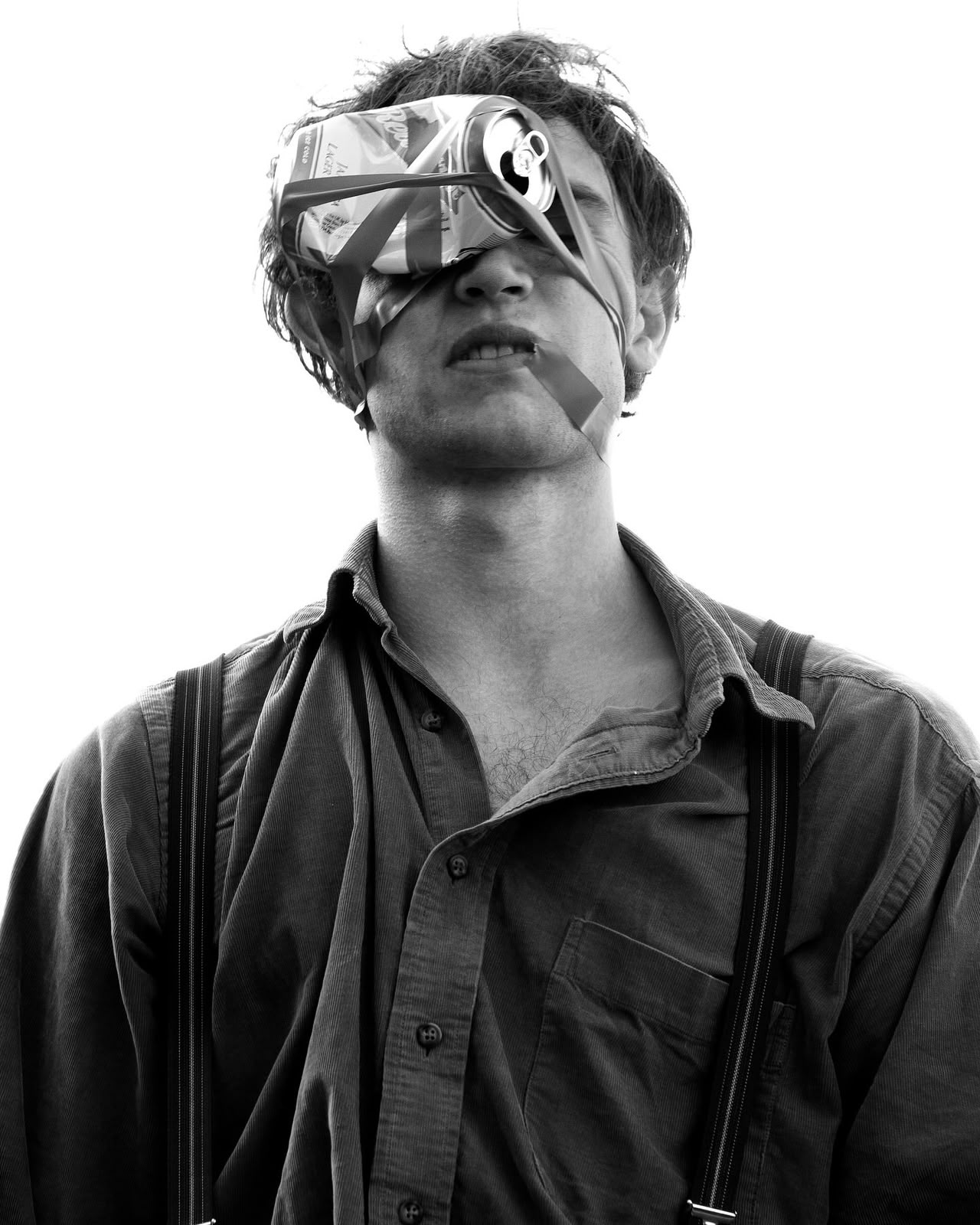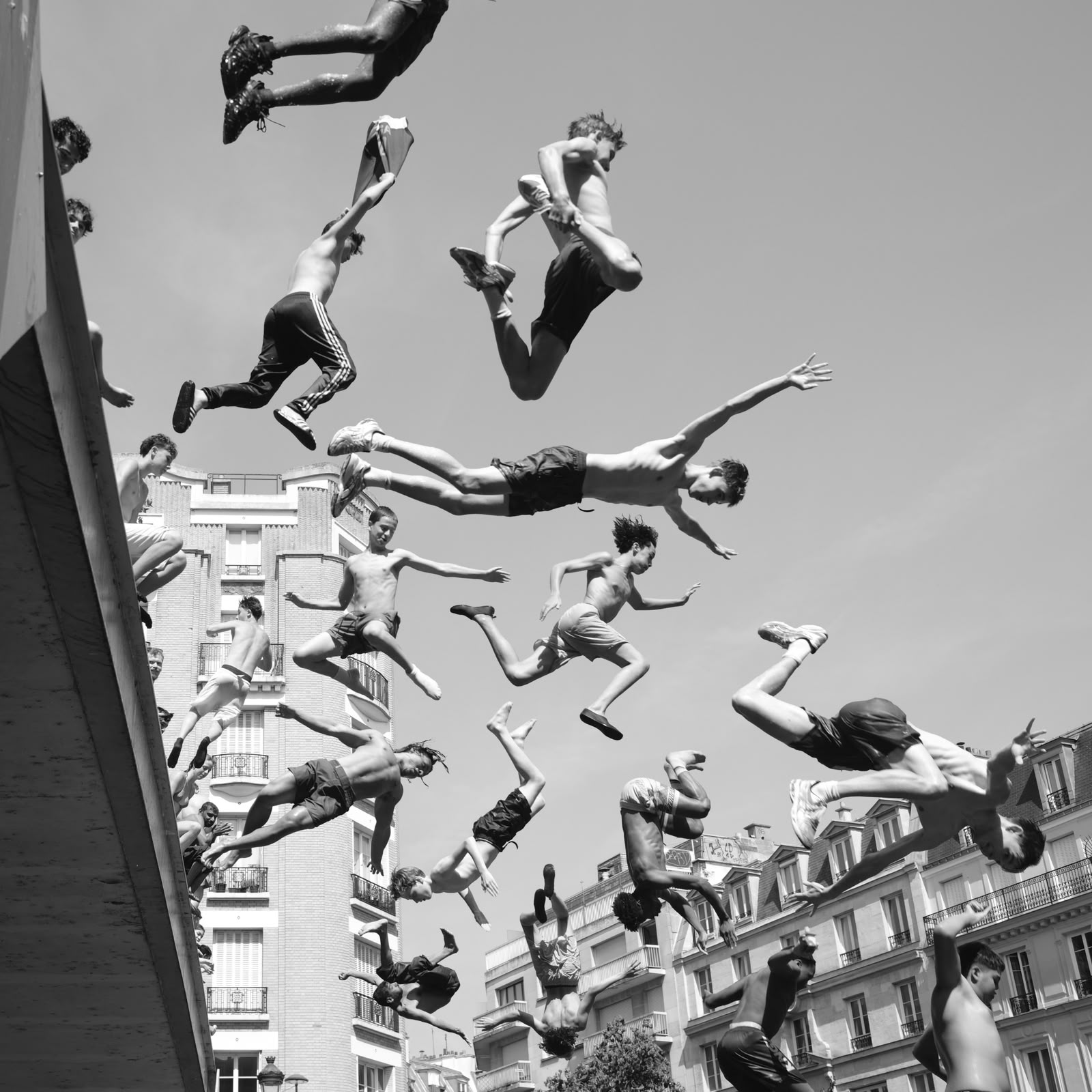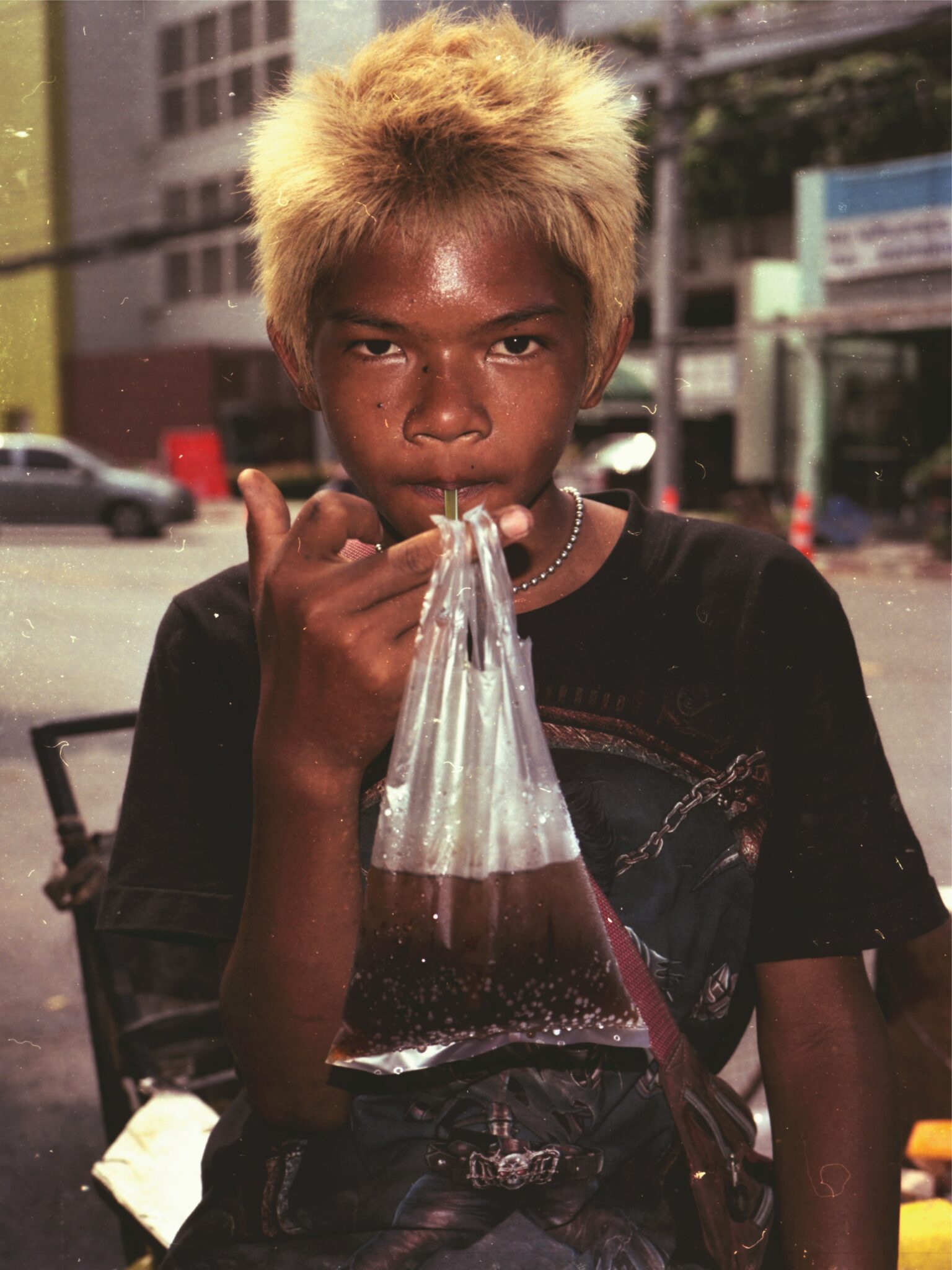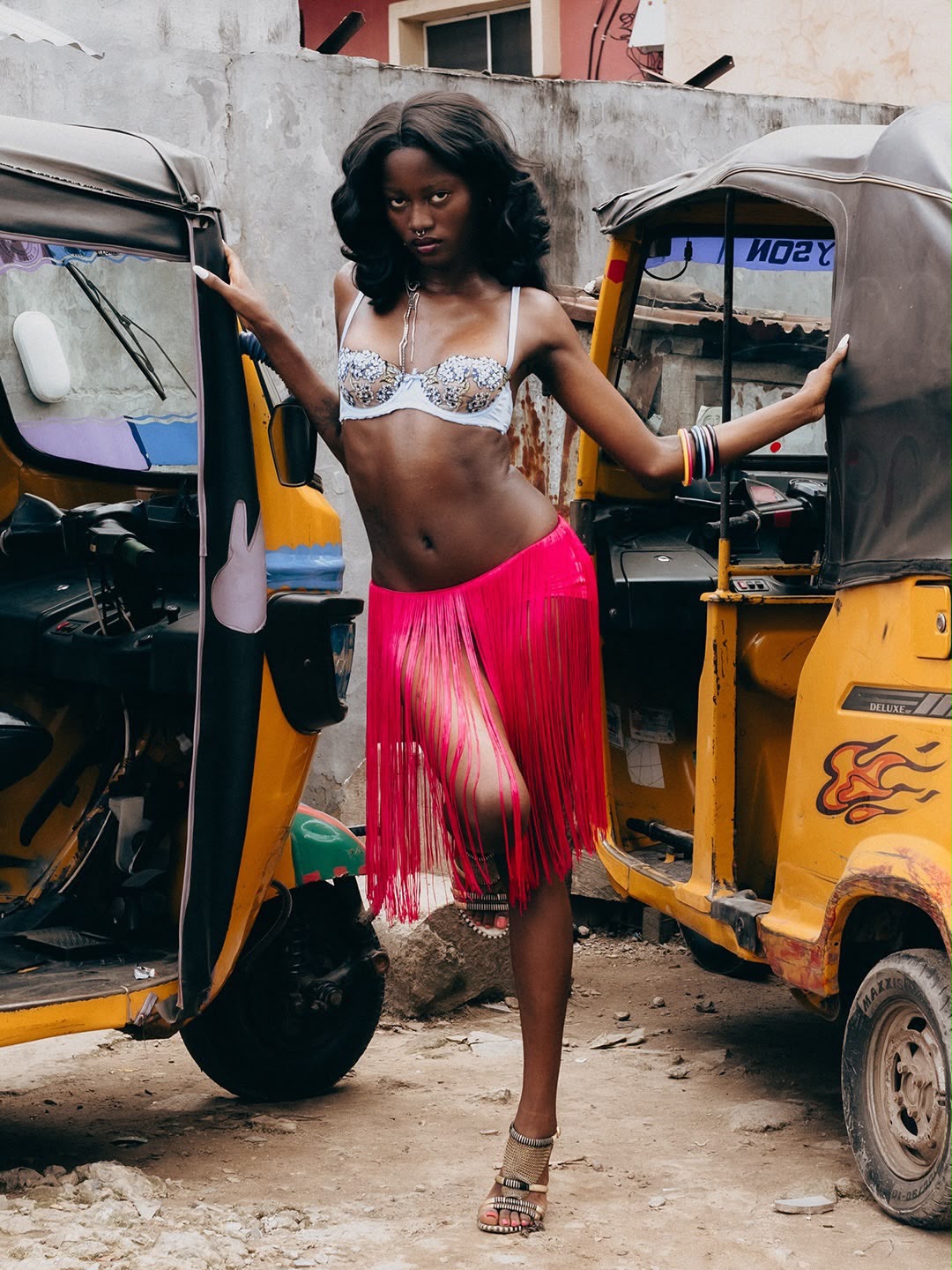
Between the late 1970s and the 1990s, while fashion and mainstream media demanded composure and perfection, a handful of photographers moved in the opposite direction: toward raw vulnerability, unmediated observation, and unvarnished truth. No polished surfaces, no emotional distance, no protective filters. They captured real skin, real circumstances, and real people without sweetening the frame or constructing narrative safety nets to dictate how viewers should feel. The visual language they forged became foundational. Anyone photographing young people today, often without realizing it, still operates within the ethical and aesthetic boundaries these seven visionaries established.
A Non-Obvious Canon
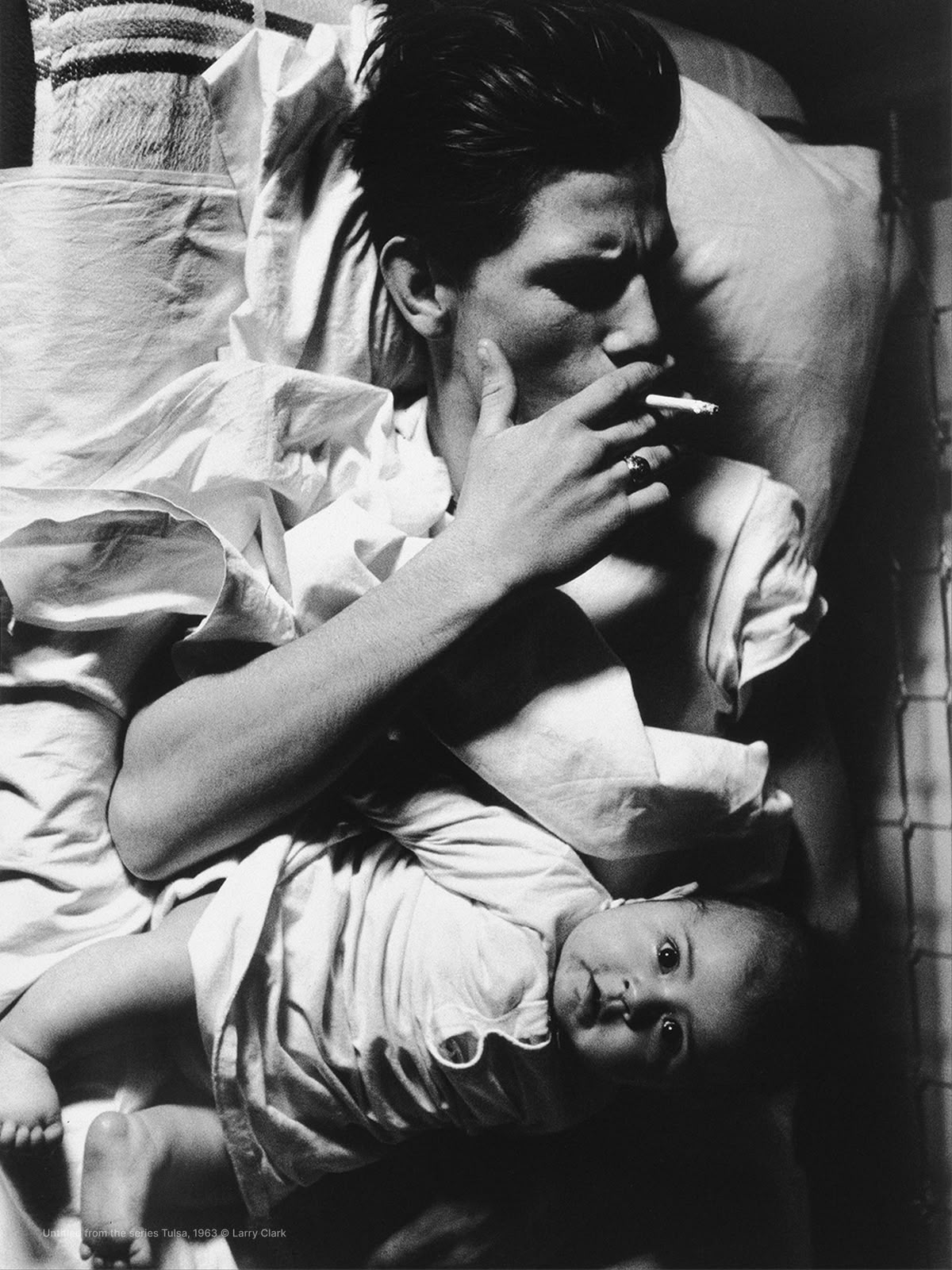
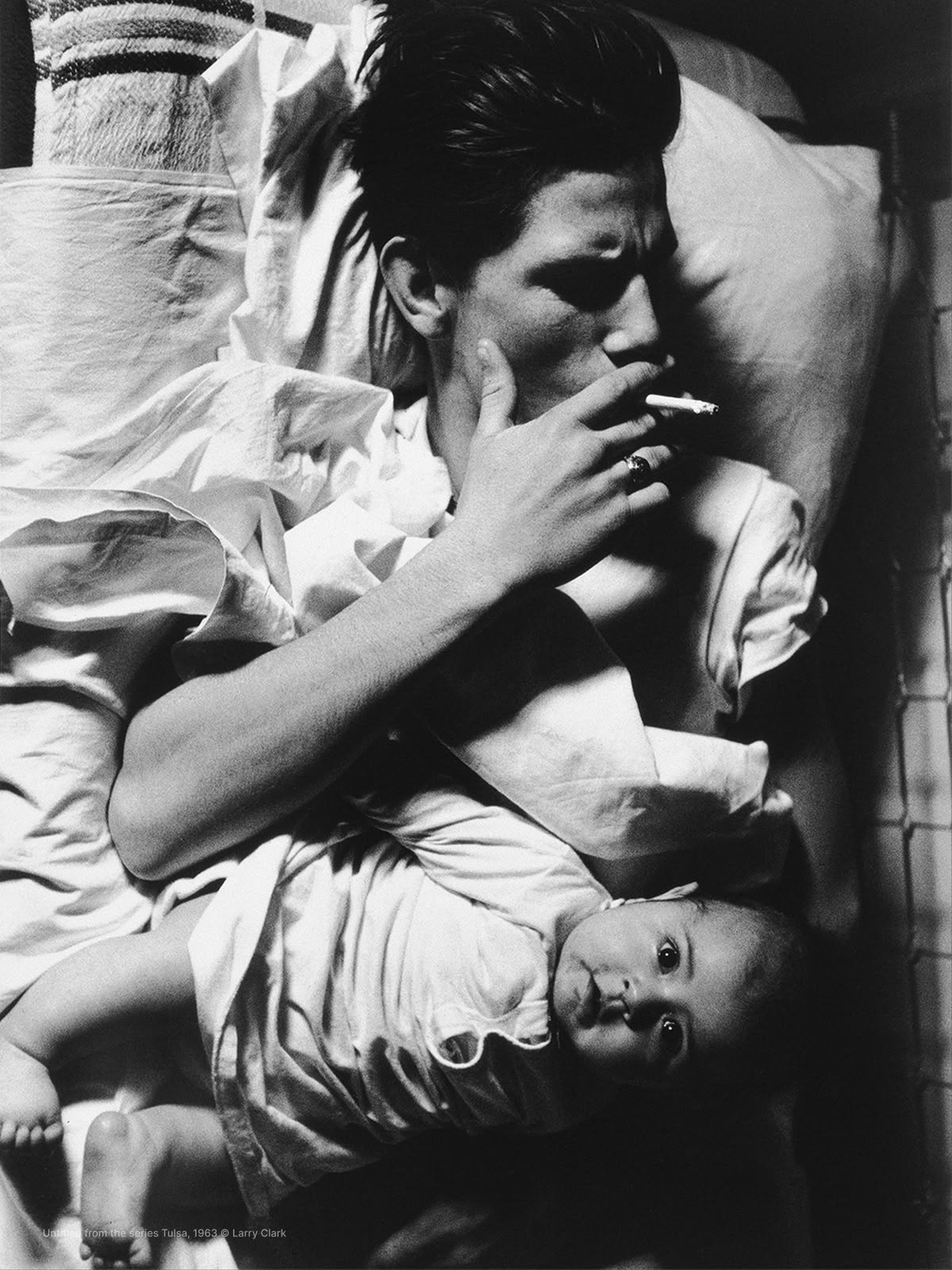
American photographer Joseph Szabo spent three decades documenting Long Island teenagers, repeatedly returning to the same neighborhoods to photograph families as they grew up—creating an archive of adolescence as a precise geographical phenomenon. Then came Larry Clark, whose seminal work Tulsa (1971) proved that youth photography could confront subjects previously deemed unrepresentable—drugs, sex, and violence—and that refusing to offer a moralizing frame forces the viewer to wrestle directly with what is before them.
Nan Goldin photographed her immediate inner circle—lovers, performers, and people navigating addiction—treating intimacy and marginalization as subjects worthy of serious documentary rigor. The Ballad of Sexual Dependency placed LGBTQ+ communities and fragile lives at the center of the image, rather than at its periphery. Meanwhile, Mark Morrisroe, Goldin’s classmate at the School of the Museum of Fine Arts in Boston, emerged as a key figure in the Boston School—a movement that shaped much of American autobiographical photography. Morrisroe used intentionally degraded film, bleached colors, and raw self-portraits alongside photos of friends and lovers, establishing vulnerability, illness, and physical transformation as legitimate subjects. He died of AIDS-related complications in 1989 at age thirty, leaving behind nearly two thousand works.
The British Visionaries and Fashion’s Shift
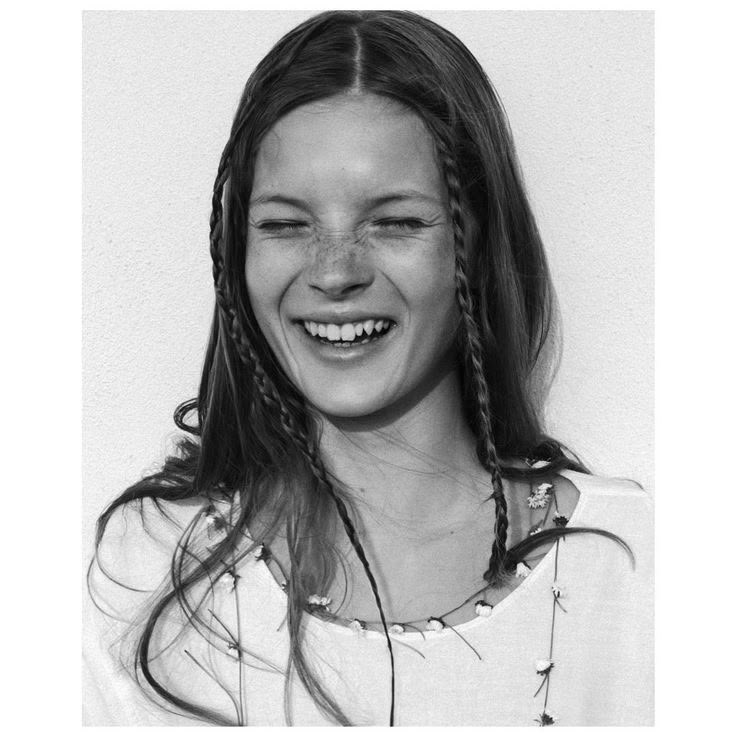
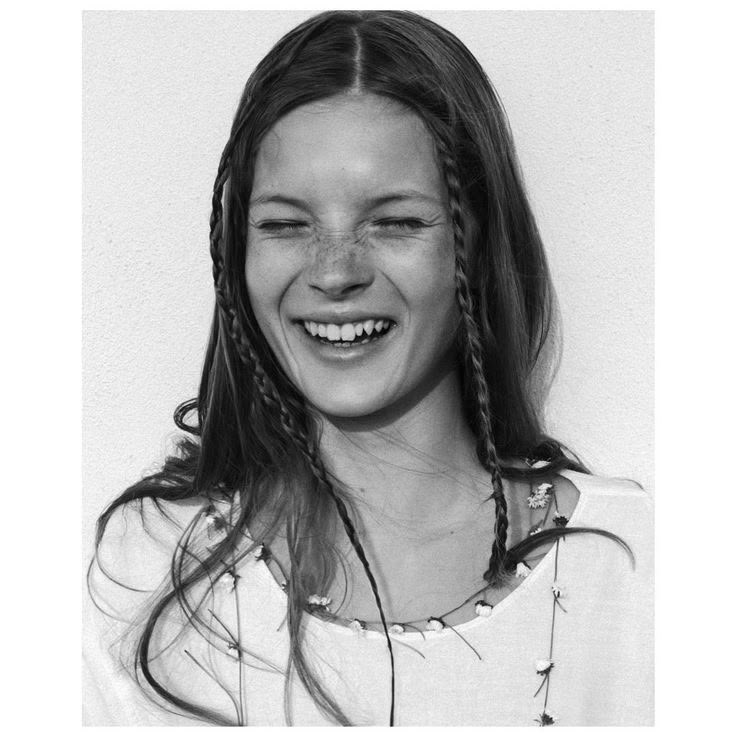
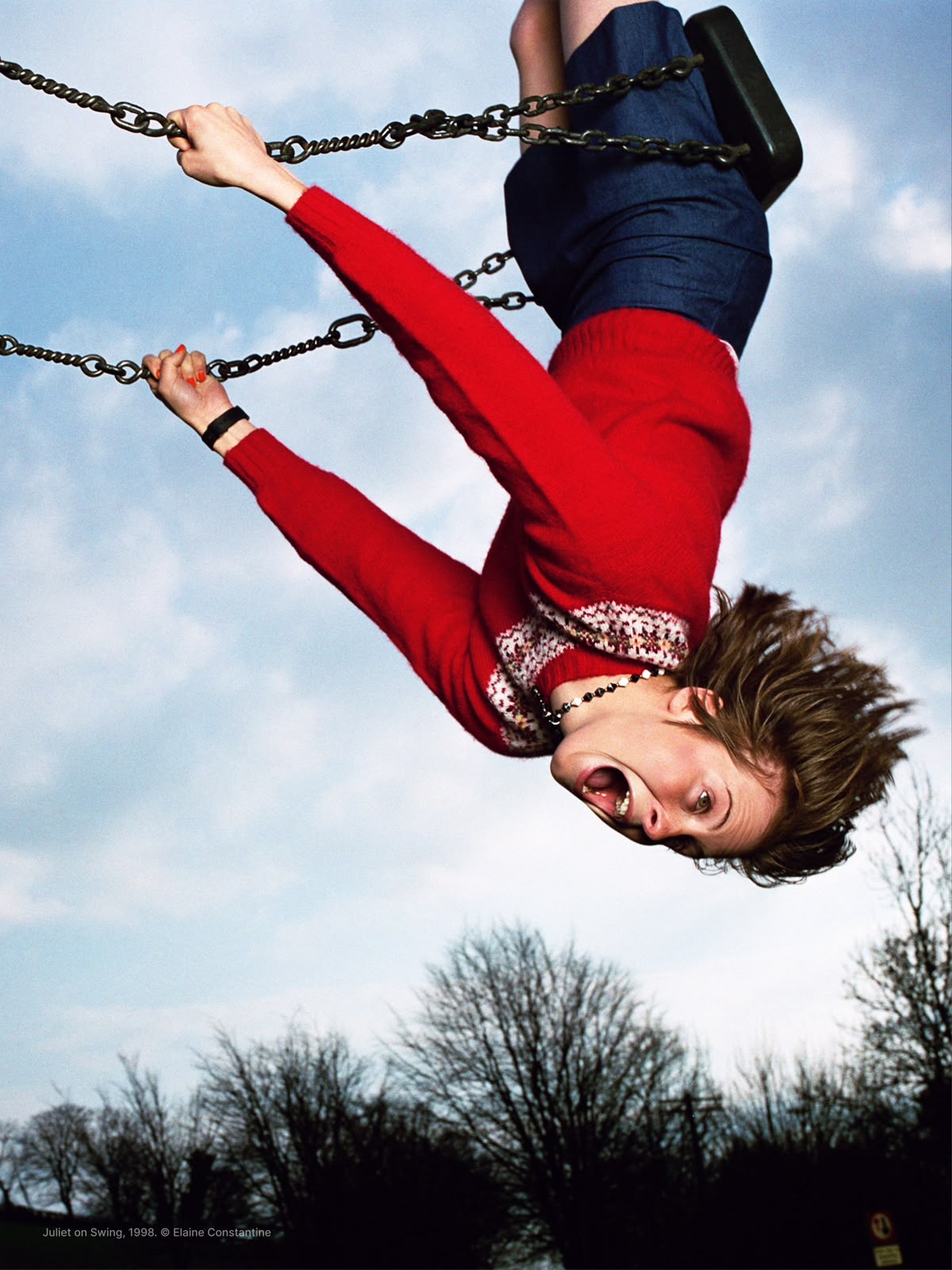
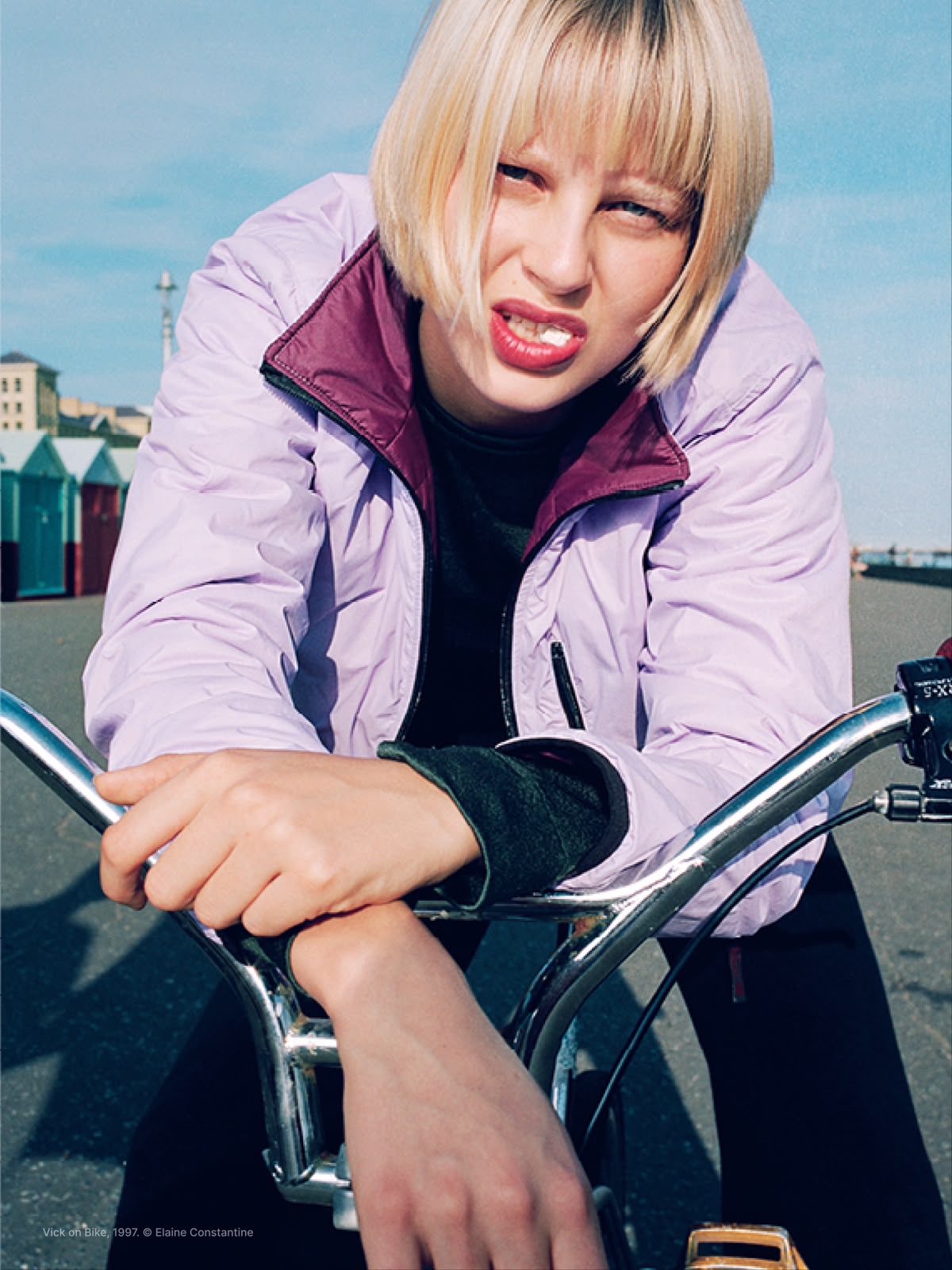
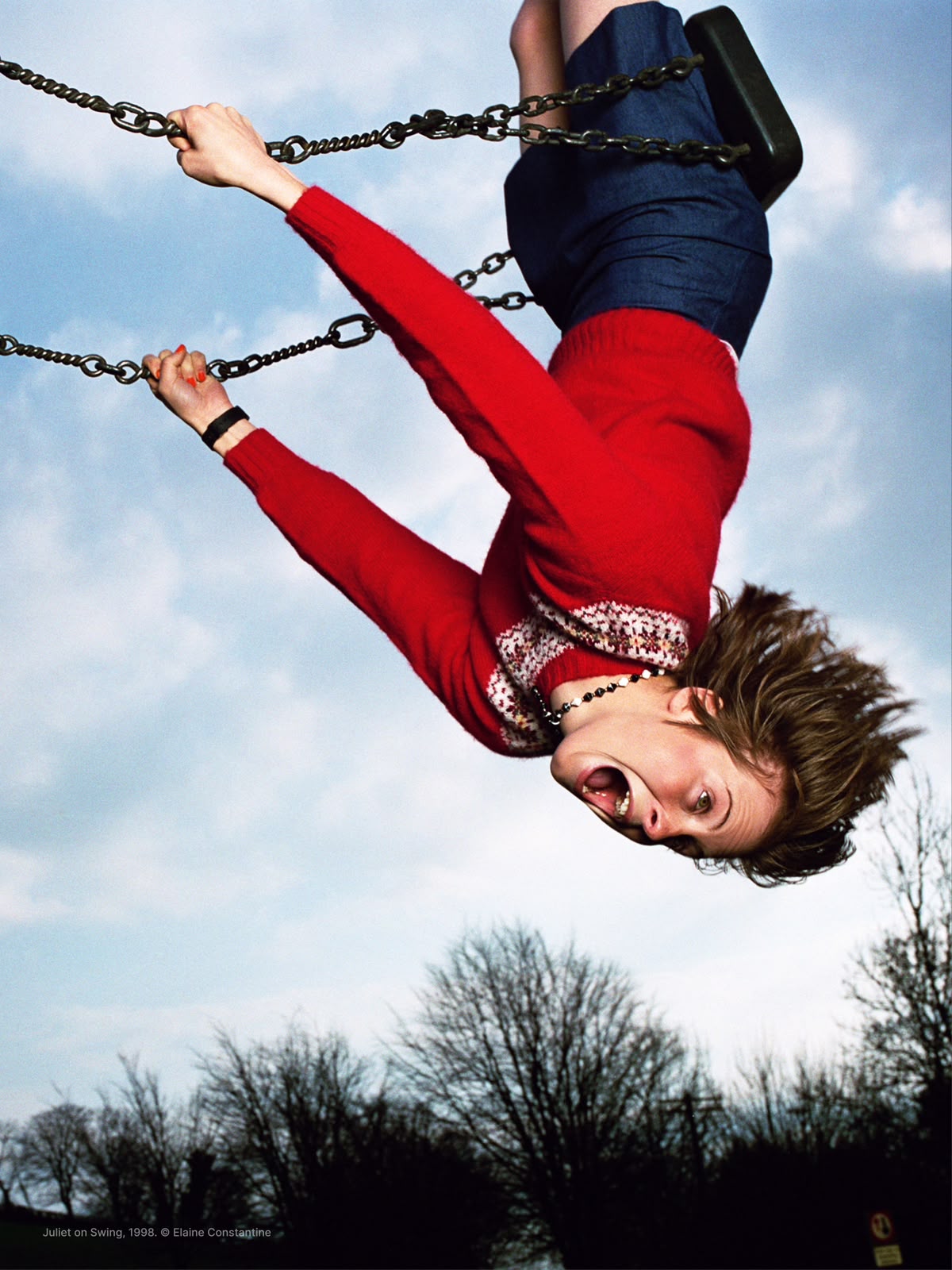
Across the Atlantic, British photographers translated that same urgency into the visual language of fashion. Corinne Day photographed without digital retouching at a time when the industry demanded flawless perfection, capturing bodies with visible textures and natural variations. Her unvarnished images of a disheveled, imperfect Kate Moss redefined beauty, proving that authenticity possessed a magnetism far stronger than flawless polish. Elaine Constantine worked from within the communities she documented, capturing young people as they saw themselves—how they moved, how they constructed identity—treating social codes and personal style as genuine forms of self-expression rather than mere surfaces.
Then there is Davide Sorrenti, the youngest of the group and the sole Italian. Born in Naples and raised in New York, the younger brother of Mario Sorrenti bridged fashion and documentary work with a visual precision startling for his age, photographing young people with the reverence usually reserved for fine art subjects. He died in 1997 at just twenty, reportedly due to kidney complications linked to the thalassemia he had battled since childhood. Media outlets at the time linked his name to the "heroin chic" phenomenon and attributed his death to an overdose—a narrative his family has consistently refuted. It remains an ambiguity that speaks volumes about how that decade consumed its young creators before ever truly understanding them.
A Shared Ethos
Seven distinct gazes, one shared stance: rejecting the notion that youth must pose to be worthy of an image. This is where their legacy speaks directly to today's audience. A generation raised on auto-retouching, pre-capture smoothing filters, and the face as a primary piece of consumable content maintains an ambivalent relationship with this heritage. On one hand, they cite it endlessly: point-and-shoot aesthetics, harsh direct flash, film grain, and "imperfect" poses saturate social feeds, recycled as mood boards. On the other hand, the underlying ethical foundation is often lost. For Day, Clark, or Goldin, rawness was never a cosmetic style to apply—it was an ethical position rooted in genuine proximity to subjects, trust earned from the inside, and deep responsibility toward what was being revealed.
The Space Between Effect and Stance
The distinction lies entirely there. Today, imperfection is frequently reduced to a preset, a filter, or a color-grading choice. Back then, it was a hard-fought victory against an industry demanding the exact opposite. These seven photographers did not make beauty ugly; they made it broader, creating space for texture, age, vulnerability, and tenderness—everything glossy imagery pushed out of frame. And they did so by taking immense personal risks: arrest, in the case of Clark; societal stigma, for Goldin; and their very health and lives, in the cases of Morrisroe and Sorrenti.
What remains are their images—and a lingering question for our visual culture. At a moment when image creation has become the primary language of multiple generations, merely looking is no longer enough. We must choose what we look at, and from what distance. These seven chose the shortest distance possible: the one where the subject ceases to be an abstract idea and becomes, once again, a person.
PHOTO: Larry Clark, Tulsa
Photography
Larry Clark, Tulsa