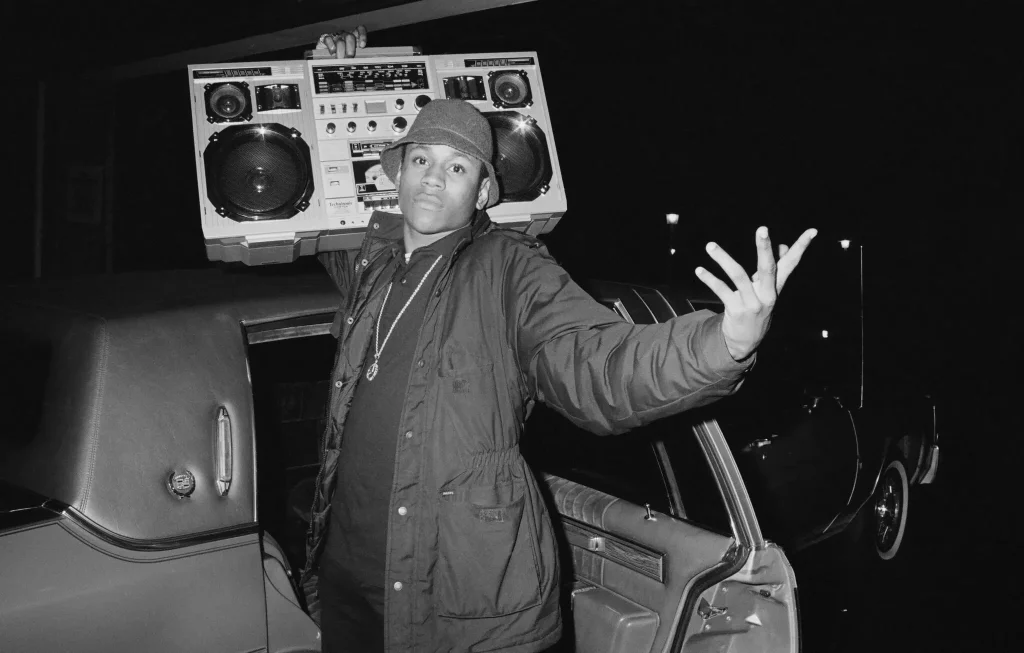
Accessorized with a boombox the size of a tombstone,
LL Cool J could afford to dress down. (Photo Credit: Getty Images)
Hip-hop isn’t just music. It’s a language.
If you think this genre is just a Spotify playlist, you’re missing half the story.
In reality, it’s so much more: it’s a system of codes, aesthetics, and attitudes that has shaped the way young people express themselves for over 50 years.
And spoiler alert: it still does today.
Born in the 1970s in the Bronx as the voice of marginalized communities,
hip-hop was initially pure counterculture. Block parties, graffiti, breakdancing.
Zero filters, zero luxury. Just identity.
Today? It’s become a global mainstream phenomenon.
But without losing (too much of) that rebellious vibe that made it iconic.
The drip as a political statement
Let’s start with a key concept: in hip-hop, dressing is never neutral.
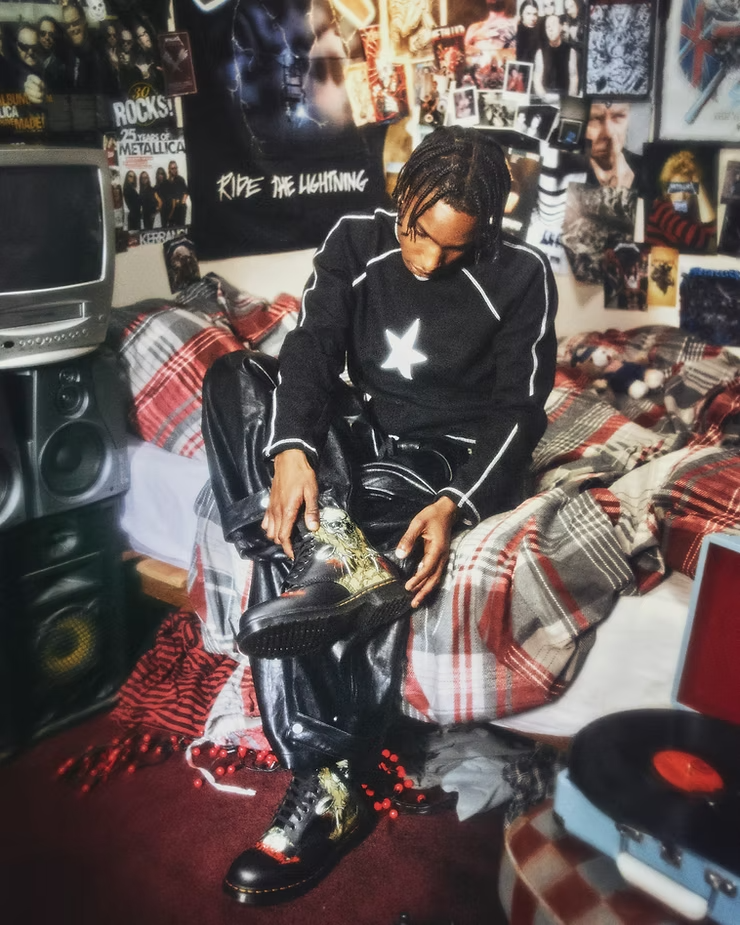
In the ’90s, the fit spoke volumes: baggy jeans, sneakers, oversized jerseys. It wasn’t just aesthetics—it was a way of saying “I don’t want to conform.” That loose, almost anti-fashion style was a direct response to the norms imposed by society.
A form of visual resistance. A “no” written on XXL denim.
And here’s where something interesting happens: what began as a symbol of rebellion gets absorbed by the fashion system. It’s the famous “trickle-up” effect:
the streets set the trend, luxury follows.
The result? What was once an outsider becomes the hype.
From the neighborhood to luxury: hip-hop’s glow-up
In the 2000s and 2010s, the shift in vibe is evident. Hip-hop doesn’t abandon the streets, but it begins to flirt heavily with luxury. Historic brands and streetwear start to blend. Collaborations explode. Runways become increasingly “urban.” And rappers become global style icons.
This shift tells us much more than just a trend: it tells us about a change in status. Hip-hop goes from being a symbol of marginality to a symbol of success.
According to various studies, this evolution has transformed hip-hop into one of the most influential forces in youth consumption, redefining the very concept of identity through what we wear. In other words: your outfit is storytelling