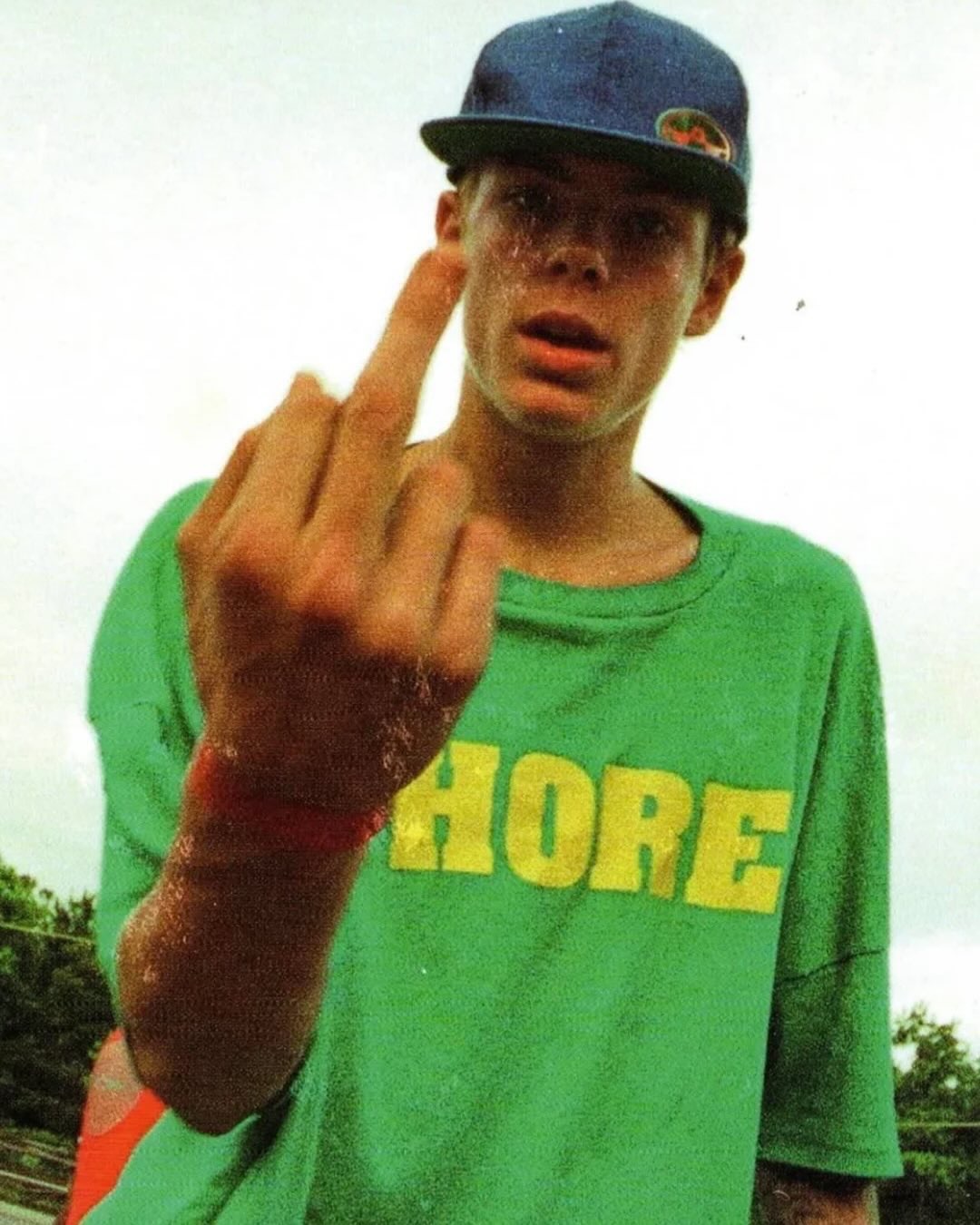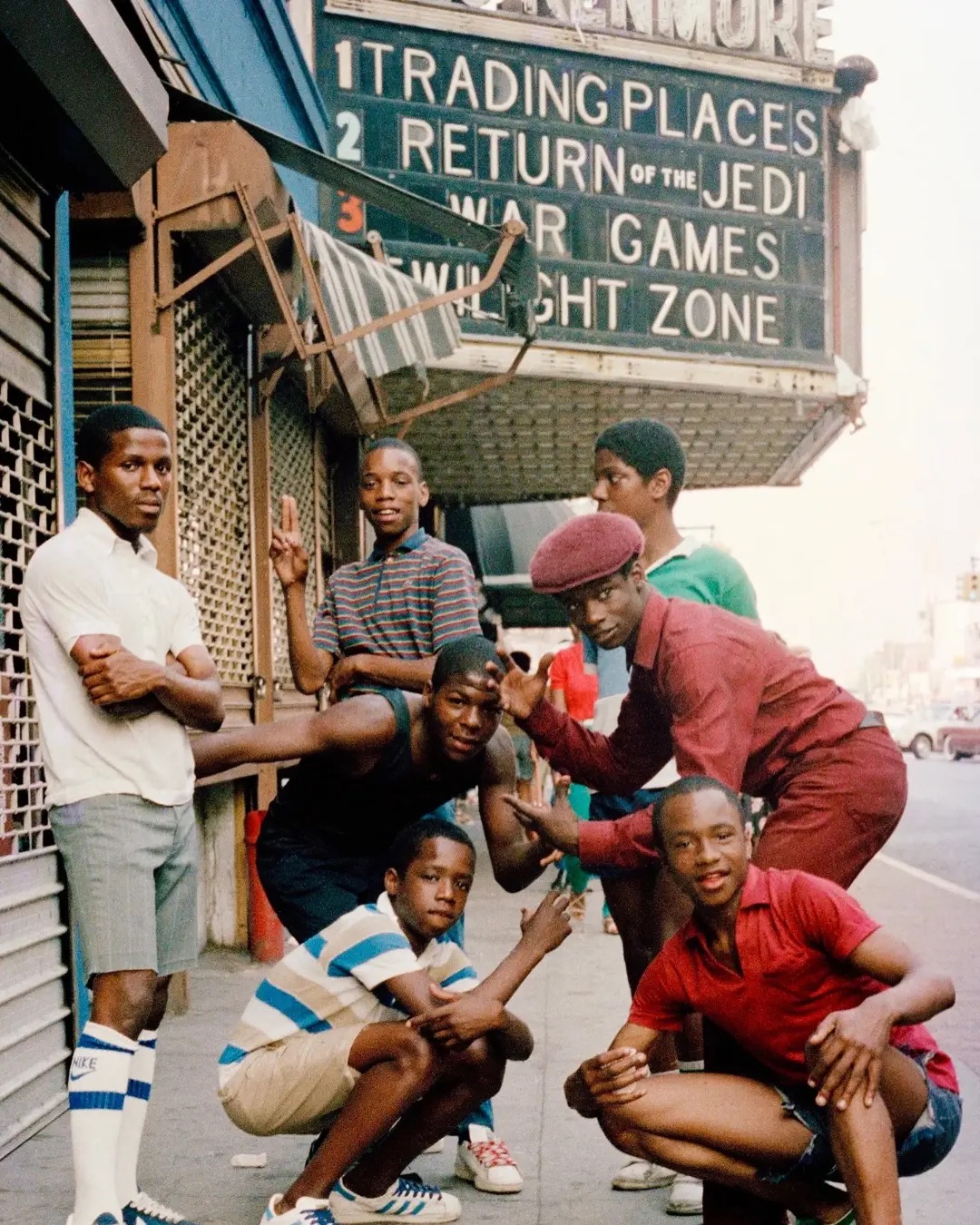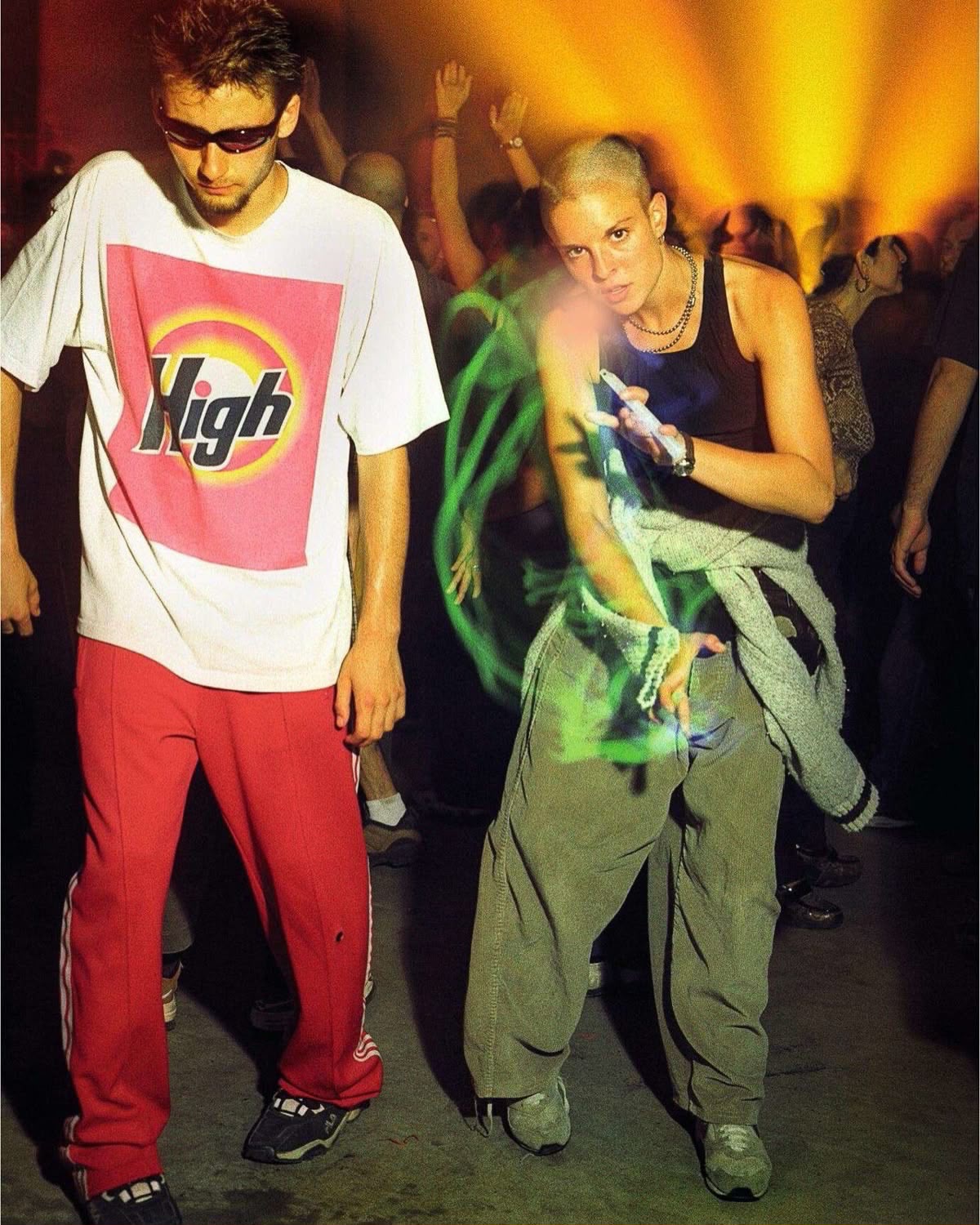
Chicago, late 1970s. Inside a former industrial building on South Jefferson Street, the night possessed a different density. No high-concept stages, no set designs built to be photographed. Just a sound system, a dance floor, and hours of music capable of binding together people who, outside those walls, would rarely have shared the same space.
The venue was called The Warehouse. Long before house music became the universal language of global festivals, runway shows, and clubs worldwide, it was primarily this: a physical place.
A Community Before a Genre
The Warehouse opened its doors in Chicago in 1977. Frankie Knuckles, having arrived from New York with a sensibility already forged in the city’s club culture, served as its resident DJ until 1982. The connection between that club and the birth of house music is now a part of Chicago's official history: in 2023, the building at 206 South Jefferson Street was designated an official city landmark specifically for its role in shaping the genre. Yet reducing its legacy solely to the invention of a new sound misses the essential core of the story.
The crowd at The Warehouse was predominantly Black, Latino, and LGBTQ+. The dance floor represented a sanctuary of social connection and freedom in a city still fractured by deep racial and sexual divides. The official City of Chicago landmark report honoring the site describes that audience as a community that found within the music acceptance, belonging, and, for many, an almost spiritual dimension. Understanding house music begins here—not with the drum machine, but with the fundamental human need to gather.
Frankie Knuckles and the Music That Had No Name Yet
Knuckles treated records as raw, open material. Mixing American and European disco, soul, R&B, and early electronic cuts, he selected, layered, and extended rhythmic passages. Using reel-to-reel tape decks allowed him to lengthen specific breakdowns and sustain the energy of the floor far longer than original track arrangements permitted. At first, this sound was not a codified genre.
The name emerged through everyday usage. The tracks and records associated with The Warehouse came to be known simply as "house music"—a definition birthed by a living scene rather than a commercial market.
This evolution makes the history of the genre inseparable from the physical venue that fostered it. The Warehouse did not merely host house music; it created the exact conditions required for it to exist.
Chicago Is Not Detroit
In the contemporary mythology of club culture, the origins of American electronic music are often collapsed into a single, flattened narrative: Chicago, Detroit, synthesizers, warehouses, and drum machines.
The historical reality is far richer. In Chicago, house took root. In Detroit during those same years, a distinct genealogy was developing: Detroit techno. The two cities communicated, DJs traveled between them, and gear and records crossed the intervening miles, yet each scene maintained its own distinct identity. The story of Derrick May, Juan Atkins, and Kevin Saunderson belongs to the narrative of Detroit techno, not to the origins of Chicago house.
The Roland TB-303 arrived later as well. Originally engineered as a bassline accompaniment unit for solo musicians, the machine was repurposed by the group Phuture into something unprecedented. By manipulating its frequency and resonance controls, they generated the liquid, abrasive timbre that became the hallmark of acid house. "Acid Tracks," developed in the mid-1980s and released in 1987, carried that sonic mutation far beyond the local underground. It was not a machine inventing a culture, but a culture discovering what a machine could accomplish when operated entirely "wrong."
1988: The Floor Crosses the Atlantic
By the late 1980s, that musical vocabulary crossed the Atlantic. Acid house became a cornerstone of Britain's Second Summer of Love, fueling the birth of rave culture that would define the subsequent decade. Roland itself later documented the 303’s role as one of the pivotal instruments in that cultural shift.
Disused factories, aircraft hangars, warehouses, and derelict industrial spaces were transformed into dance floors. It is perhaps here that the story of The Warehouse ceased belonging exclusively to Chicago. Not because every European rave was a direct copy, but because it revived the same core intuition: a marginal space can be temporarily converted into a community through sound. The club was no longer just an address—it had become a cultural apparatus.
What "We Miss the Warehouse" Means Today
Today, house music no longer requires the underground to survive. It is firmly embedded in the vocabulary of pop music, high fashion, and the global entertainment industry. Its sonic codes permeate mainstream chart productions, massive festival stages, and international brand campaigns.
This is precisely why images from The Warehouse continue to circulate so widely today. Bodies pressed together. Sweat-soaked clothing. Direct camera flashes. Zero distance between the observer and the dancer. In contemporary feeds, these archival photographs feel like artifacts from an unrepeatable era. The temptation is to read them as proof that night culture used to be more authentic. But nostalgia easily erases the urgent necessity that birthed those spaces in the first place. The Warehouse was not vital because it lacked smartphones; it was vital because it offered concrete sanctuary to communities with few other places to express themselves with equal freedom. It was music, but it was also social infrastructure.
The Warehouse and the Concept of Youth
This dimension connects directly with broader themes of youth culture: physical spaces acquire profound meaning when they allow a scene to recognize itself, establish its own codes, and leave tracks that endure long after the physical spaces disappear. It reflects the exact relationship among community, memory, and subculture that resides at the core of Youth.
Perhaps "We Miss the Warehouse" is not a literal wish to return to Chicago in 1983. Rather, it is a question about where something equally collective can take root today. The machines have changed. The genres have multiplied. House music has spent nearly half a century continually evolving.
Yet a far simpler question remains: where are the places right now where a generation can build a culture before someone else decides what to name it?