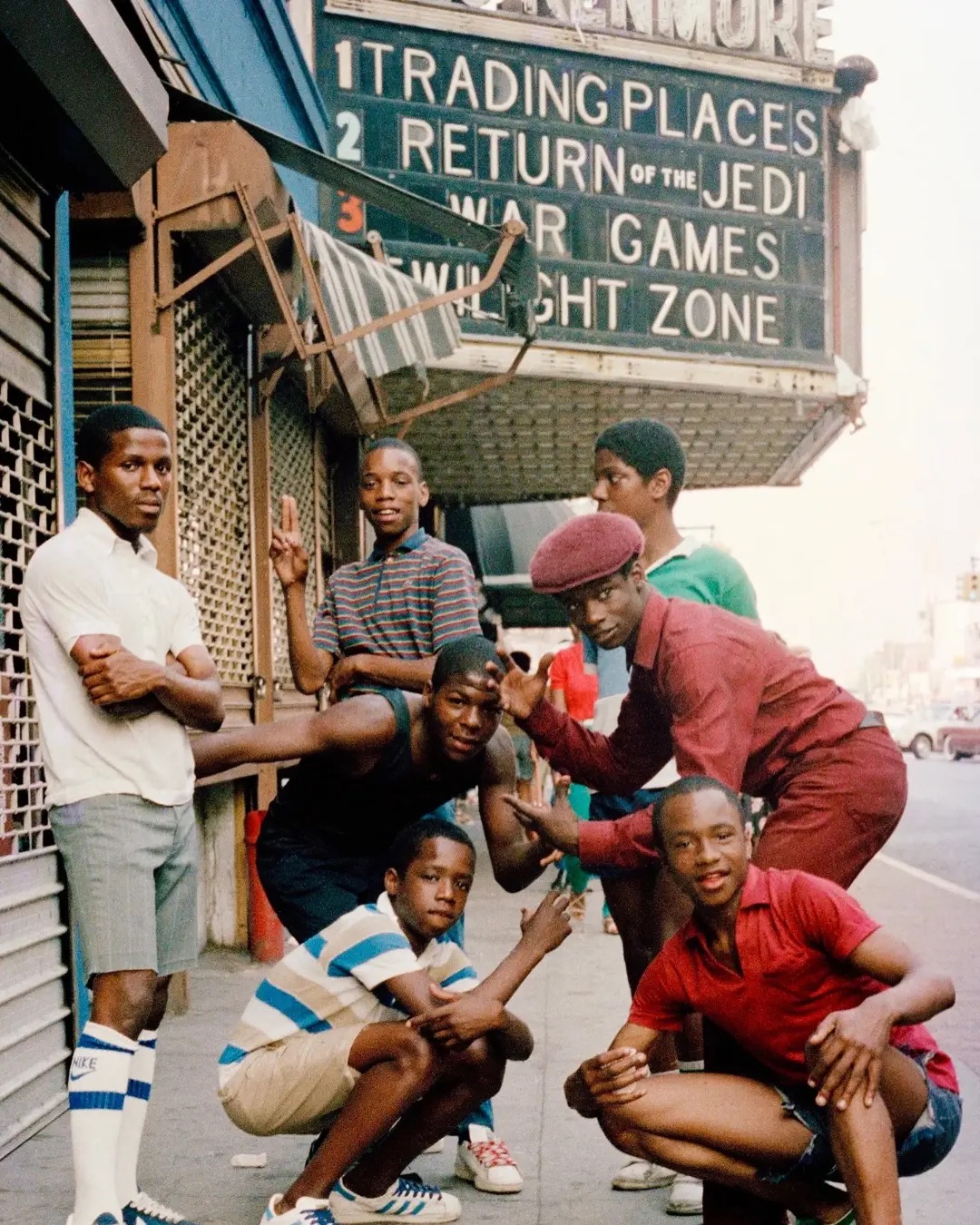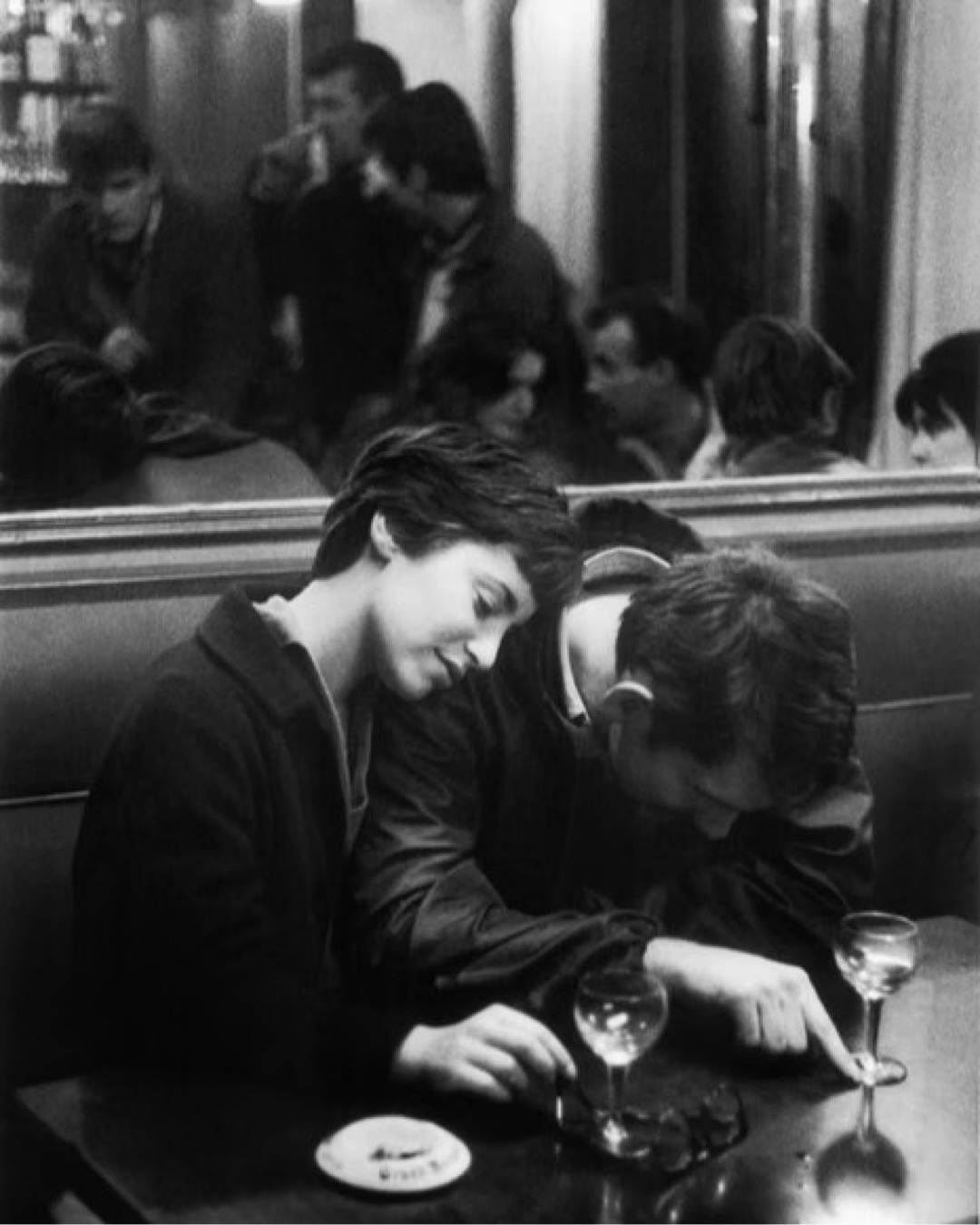
There are cities you have to describe, and then there’s Paris, which seems to tell its own story. You only need to walk a few blocks to feel like you’re inside a scene you’ve seen before: soft lights, retro signs, café tables that are always full, people talking for hours without haste. It’s not manufactured; it’s not a set. It is simply the way the city exists.
The beauty of it is that this vintage imagery isn't a tourist pose. It’s everyday life. It’s part of the real world for those who actually live in Paris. And this is exactly where something interesting happens: while everything seems frozen in time, the city remains profoundly contemporary.
An Artistic Myth That Never Fails
Paris has always had a special relationship with creativity. It’s not just a cultural capital; it’s a city where creating has always been natural, almost inevitable. In the cafés of Saint-Germain-des-Prés, figures like Jean-Paul Sartre and Simone de Beauvoir would meet, discussing philosophy, politics, and literature for hours. It was a way of experiencing the city that blended thought with daily life.
Today, that energy hasn't disappeared; it has transformed. Students, young artists, filmmakers, and digital creatives continue to use Paris in the same way: as a space where ideas take shape without needing justification. Here, being "intellectual" isn't detached from real life—it’s a core part of youth culture